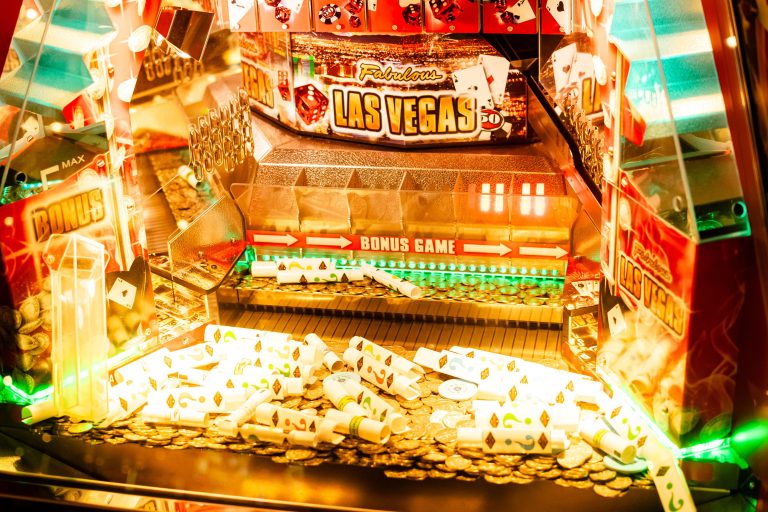
Walk into a vintage casino and the slot machines will probably look quite similar. Bright cabinets, flashing lights and rows of familiar symbols were once the standard appearance of these games. Cherries, lemons, bells and lucky sevens appeared on countless machines, with relatively little variation beyond the colours and artwork decorating the cabinets.
The modern online casino looks considerably different. Slot developers now create fantasy landscapes, animated characters and elaborate illustrations that have much more in common with video game art than traditional casino machinery. Some games resemble adventure stories, while others borrow ideas from cartoons, mythology or even luxury fashion.
Behind these changes are artists, designers and software developers who have helped turn casino games into a surprisingly varied form of digital entertainment. The reels are often still there, but almost everything surrounding them has changed.
When slot machines had a recognisable look
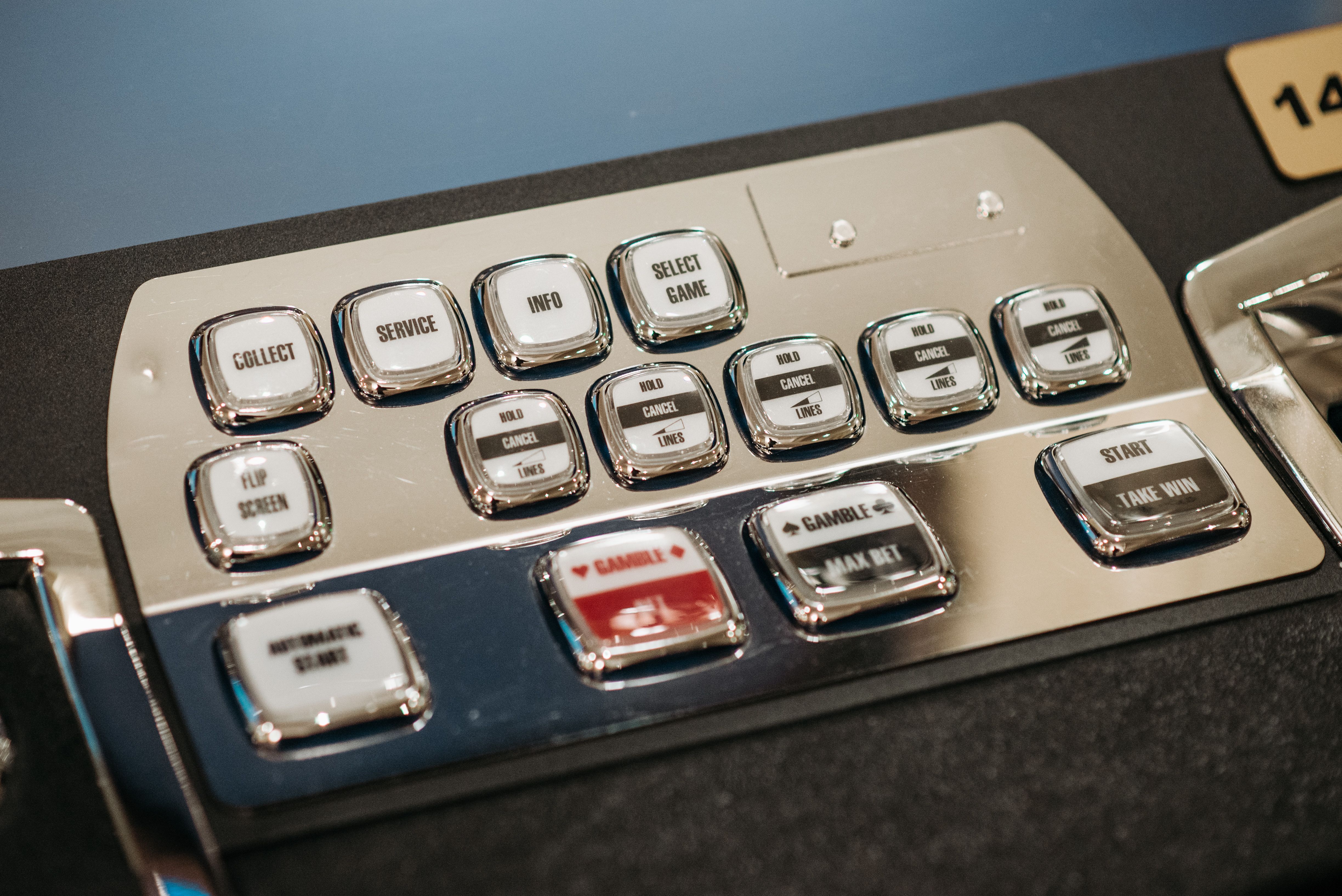
Early slot machine designers had limited room for artistic experimentation. The mechanical reels needed symbols that were clear enough to recognise while spinning, and the cabinets had to accommodate the equipment operating inside them. Simple illustrations worked well, particularly when combined with bright colours that made the machines stand out.
Fruit symbols became especially recognisable. A cherry or lemon could be identified immediately, even in a small space, and their simple shapes made them suitable for the printing techniques available at the time. Bells, stars and lucky sevens provided additional variety without changing the overall appearance.
As slot machines developed, manufacturers introduced more elaborate cabinet artwork, decorative lighting and themed designs. The reels themselves remained relatively familiar, but the machines could now have distinctive personalities.
Much of that visual history remains visible in digital casino entertainment. Traditional fruit machines haven’t disappeared, and developers continue producing slots games that retain their familiar symbols and straightforward layouts. The wider selection of casino slots on Betway includes classic-inspired titles alongside games with detailed illustrations, animated backgrounds and newer gameplay features. It is a useful reminder that traditional designs can remain part of a catalogue even as the creative possibilities expand.
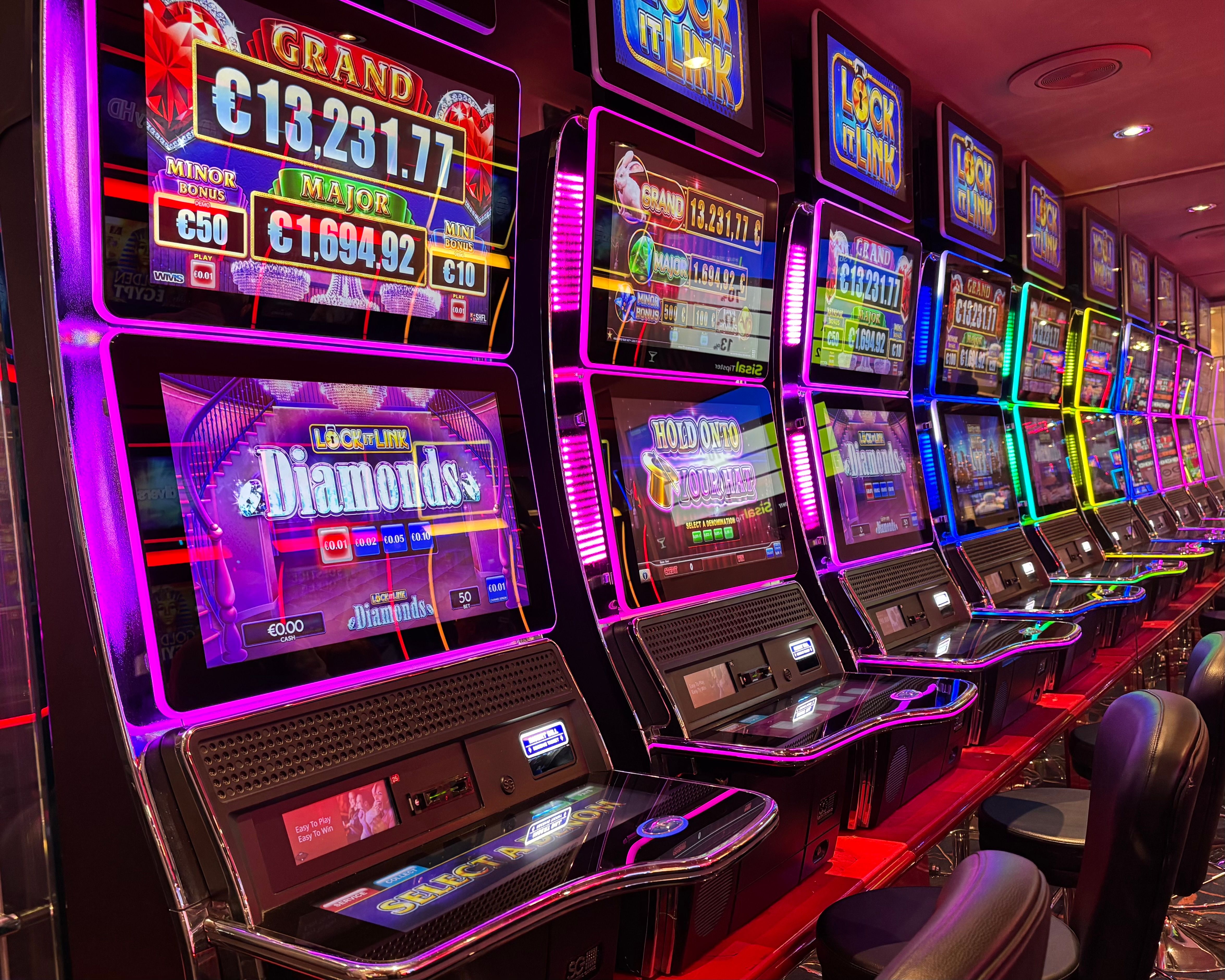
Once slot machines moved onto computer screens, designers were no longer restricted to printed symbols and mechanical reels. They could use detailed illustrations, moving backgrounds and characters that would have been difficult to include on a traditional machine. A game could now have its own setting, with artwork covering everything from the reels to the menus and surrounding scenery.
Game studios began drawing inspiration from other forms of digital entertainment. Fantasy adventures, for example, provided plenty of ideas for casino slots, with castles, mythical creatures and landscapes that looked more like something from a video game. Other titles took a more playful approach, using cartoon characters, colourful objects and animations that gave the games a completely different appearance.
The symbols changed along with the backgrounds. Cherries, bells and lucky sevens were still common, but artists could now fill the reels with illustrated characters, precious stones, treasure chests or objects connected to the game’s theme. Some studios put a great deal of detail into these designs, even though the symbols might only appear on screen for a few seconds at a time.
All that extra artwork needed some thought, however. A beautifully illustrated game still has to be easy to follow, particularly when several symbols and animations appear together. The reels need to remain clear, the controls should be easy to find, and players must be able to understand what’s happening during gameplay.
How art, fashion and animation changed the appearance of casino games
The relationship between game design and other creative industries has become increasingly visible. Fashion designers, illustrators and video game artists often work with similar elements, including colour combinations, textures, patterns and recognisable visual themes.
Luxury-inspired artwork offers a good example. Gold ornaments, precious stones and elaborate decorative borders appear frequently in fantasy games, where they help establish a sense of grandeur. These details are also familiar from jewellery design, fashion accessories and interior decoration.
Mythology provides another source of inspiration. Artists can draw on ancient architecture, statues, costumes and legendary characters when creating the appearance of a game. A mythological theme might feature marble columns, dramatic skies and gold decorations, while a more playful title could use colourful cartoon characters and exaggerated movements.
The difference between these artistic approaches can be substantial, even when the games share similar underlying mechanics. Animation has also changed how symbols appear on screen. Mechanical machines could rotate printed reels and activate lights, but digital games can make characters move, objects transform and backgrounds react to events during gameplay.
The variety available on Betway also reflects the work of different game studios, each bringing its own approach to illustration, animation and presentation. Some titles retain the appearance of classic fruit machines, while others use colourful characters and detailed backgrounds to create a more elaborate visual setting.
These differences have made casino game design an interesting area for digital artists. A single game might involve concept illustrators, character designers, animators, sound specialists and programmers, all working to develop a consistent appearance.
Creating that consistency matters. A game with a carefully illustrated fantasy background would look unusual if the menus and controls used an entirely unrelated visual style. Designers therefore pay attention to smaller elements such as typography, button shapes, colour palettes and the way information appears on screen. Such details are easy to overlook, but they have a considerable influence on how finished casino games look and feel.
Designing games for a smaller screen
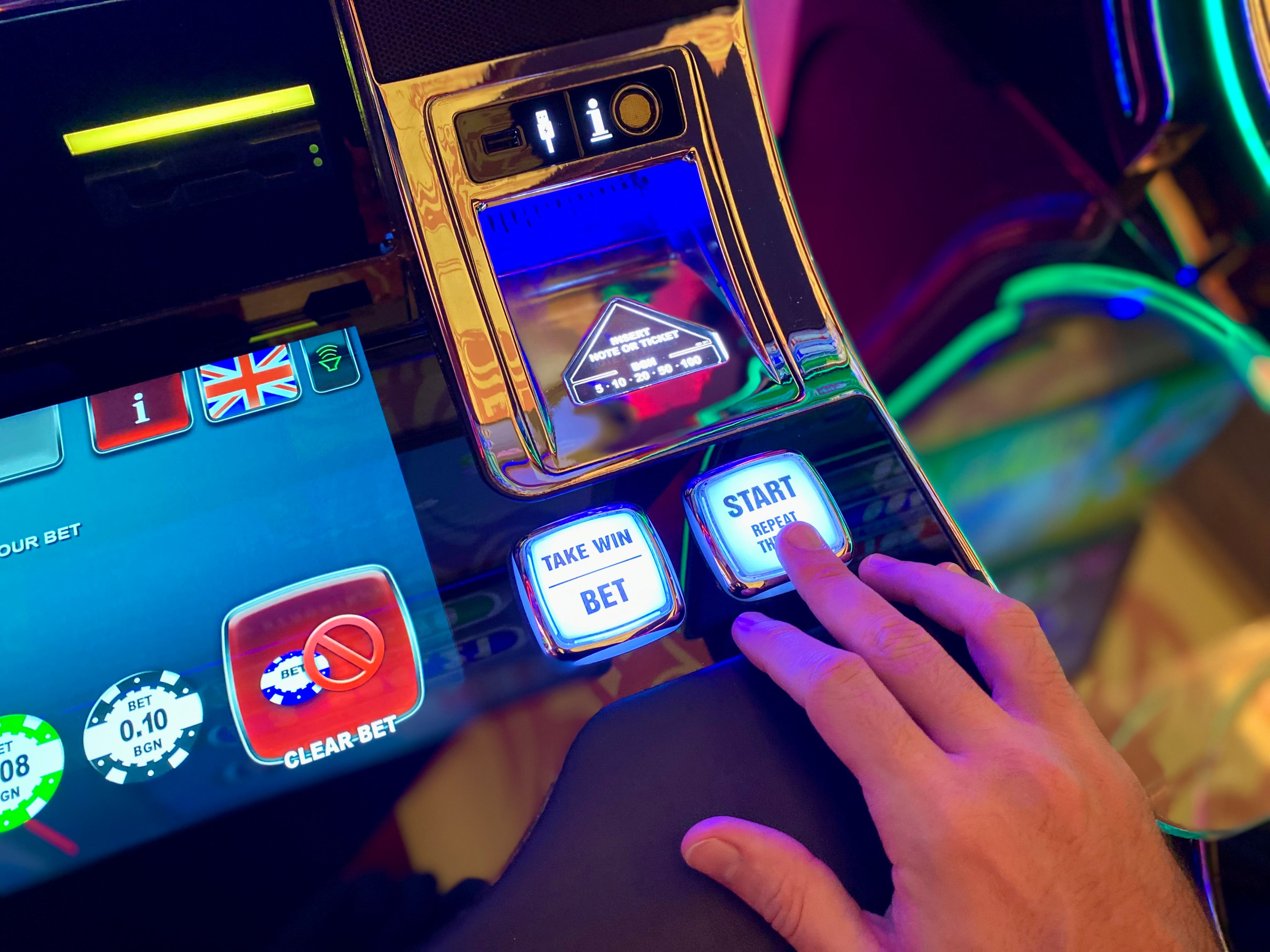
The growth of mobile gaming has introduced another consideration for artists. A design that looks impressive on a large computer monitor may need substantial adjustments before it works comfortably on a smartphone. Detailed illustrations can lose their impact when reduced to a smaller size, particularly if important information overlaps with decorative elements. Developers have to decide which parts of the artwork should remain prominent and which can be simplified.
The position of the reels, the size of the symbols and the arrangement of the controls all need attention. Some games use portrait layouts designed for phones, while others adapt wider interfaces to suit different devices.
Classic reels, fruit symbols and familiar cabinet designs still have their place, but artists now have tools that earlier slot machine manufacturers could hardly have imagined. They can create detailed worlds, experiment with animation and borrow ideas from fashion, illustration and other entertainment industries.
The cherry symbols of the original machines haven’t gone anywhere. They simply share the screen with a much wider collection of characters, settings and artistic styles. For an industry that once depended on a handful of printed pictures rotating behind glass, that represents a remarkable change.